Waste Is a Design Failure
Why I stopped trusting the meter — and started measuring energy in loops instead of lines.
I grew up on a farm where nothing got thrown away. Manure fed the fields. The fields fed the cattle. The cattle fed us. You didn’t call that “sustainability.” You called it not being wasteful, because being wasteful cost you money you didn’t have.
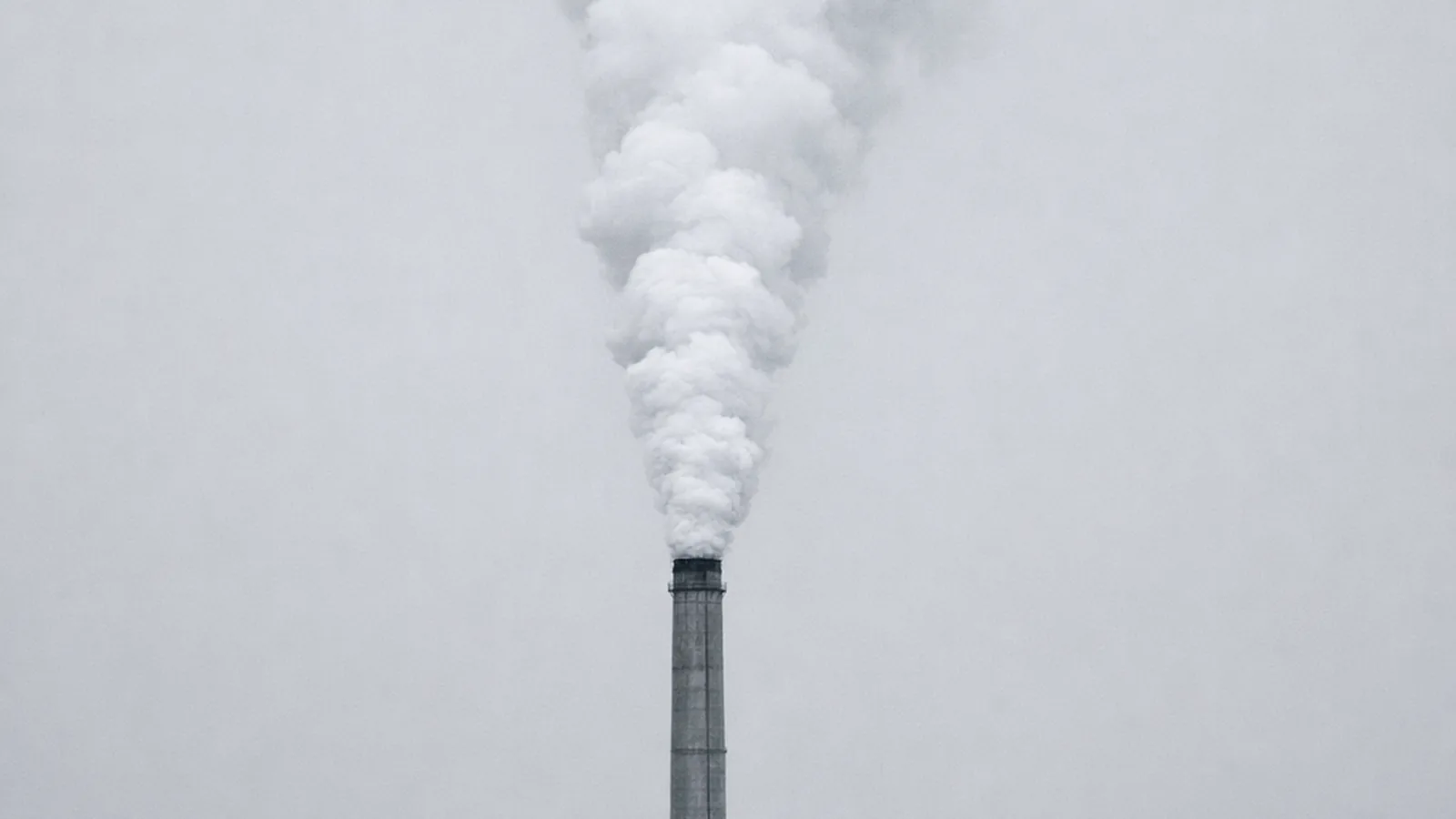
Then I spent twenty years in energy and tech, and I watched us do the opposite at enormous scale. We generate electricity and dump the heat into the sky. We run compute and vent the carbon. We build a billion-dollar asset and ask it to do exactly one job. And we call it efficient, because the meter says so.
The meter is lying.
It doesn’t count the stranded heat. It doesn’t count the wasted carbon. It doesn’t count grid fragility, or community extraction, or the value destroyed when a site that could have anchored an ecosystem is reduced to a single line item. The market price of energy is a sliver of the truth, measured at the most convenient point and ignoring everything upstream and downstream.
That’s why I think in loops, not lines.
Power drives compute. Compute produces heat. Heat grows food. Carbon becomes a feedstock instead of a liability. Water gets captured and reused. Each output becomes the next input. Do it well, and one electron does more work, one acre produces more outcomes, and one investment returns more benefit — to operators, to communities, and to the grid.
The AI era is going to force this question whether we like it or not. The demand showing up now isn’t incremental — it’s hungry for power, cooling, land, water, and resilience. The regions that win won’t be the ones that generate the most raw power. They’ll be the ones that create the most value per unit of energy, land, labor, and intelligence.
So here’s the reframe I keep coming back to: waste isn’t the cost of doing business. Waste is what happens when you design too narrowly.
The future won’t be built on waste. It’ll be built on loops.
If this resonates, the full Manifesto for Circular Energy goes deeper.